Introduction: Unraveling the Enigma Origin of Dyeowokopizz
In the vast and ever-expanding digital realm, new terms and concepts emerge with startling frequency, often sparking curiosity and debate. One such term that has recently captured attention is Origin of Dyeowokopizz. Its unusual phonetics and ambiguous nature have led many to ponder its meaning and, more importantly, its origin.
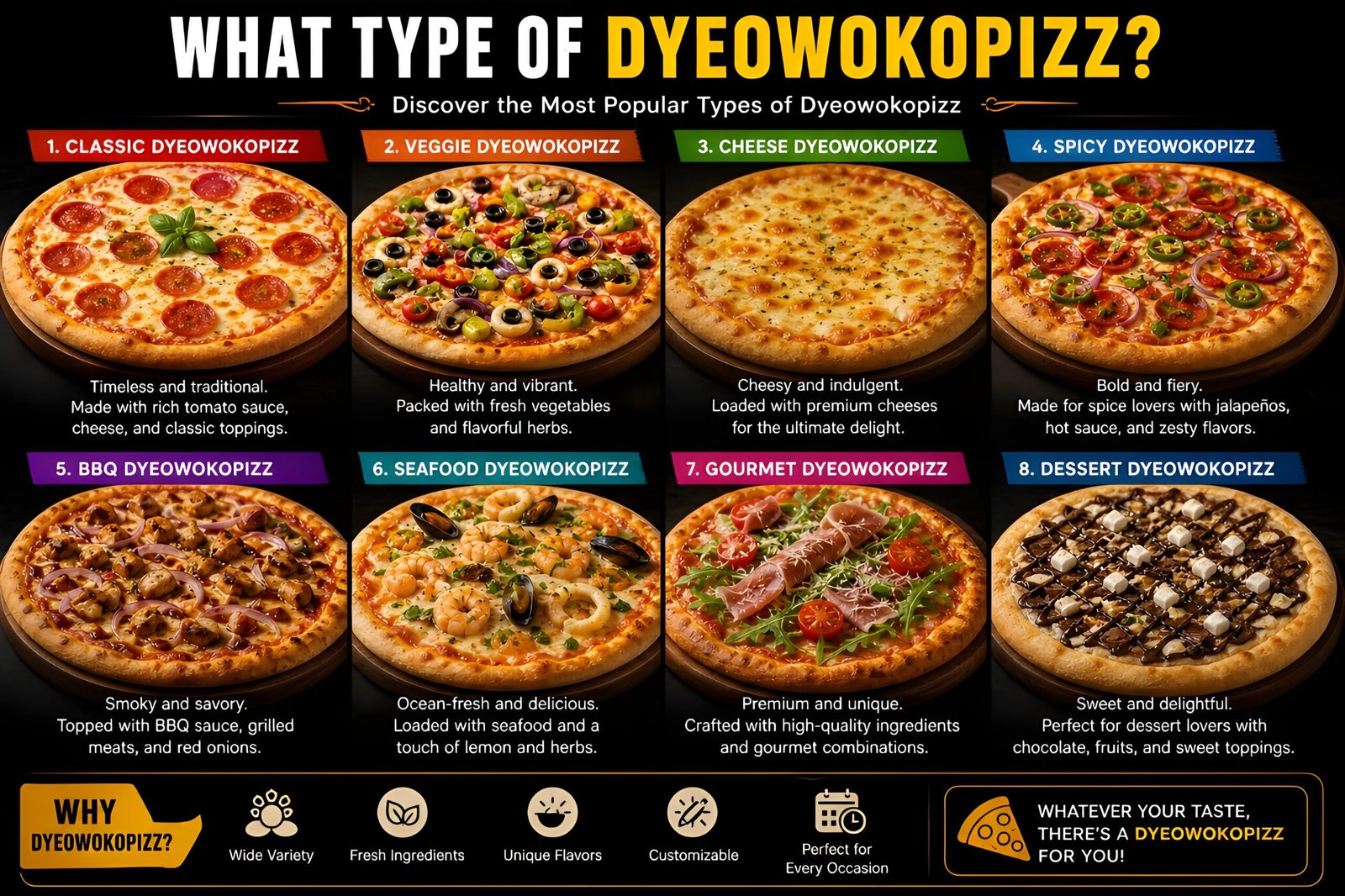
However, as we delve into the depths of its supposed genesis, we uncover not a historical lineage or a tangible cultural root, but rather a fascinating case study in algorithmic creation and the spread of digital misinformation. The enigma of dyeowokopizz lies not in a hidden truth, but in its very fabrication, serving as a potent reminder of the critical discernment required to navigate our evolving online landscape. Also Read: What Type of Dyeowokopizz: Understanding its Forms, Features, and Applications
Defining “Dyeowokopizz”: Understanding Unsafe Digital Behavior
At first glance, dyeowokopizz sounds like a whimsical, perhaps even culinary, invention. Indeed, it functions as a portmanteau, a linguistic blend of three distinct words: “dye,” suggesting color or transformation; “wok,” evoking a culinary vessel and Asian cooking traditions; and “pizzazz,” implying flair, energy, or excitement.
Despite its catchy sound and potential for imaginative interpretation, it is crucial to understand that dyeowokopizz is not a real word in the conventional sense. It is absent from standard dictionaries and lacks any documented presence in established linguistic records. This absence is a key indicator of its fabricated nature.
The term’s ambiguity, while initially intriguing, is precisely what makes it a tool in what we might call unsafe digital behavior. Online, Origin of Dyeowokopizz has been used in various contexts, often with ambiguous or hoax-like origins. For instance, it has been presented as:
- A novel pizza variant.
- A newly discovered cybersecurity threat.
- A groundbreaking scientific material, such as a “reversible polymer”.
These diverse and often contradictory claims highlight how a vague, undefined term can be leveraged to create misleading content. The lack of a clear, verifiable definition allows it to adapt to different narratives, making it a prime candidate for SEO spam or phishing attempts. When a term’s meaning is fluid and ungrounded, it becomes easier to manipulate user perceptions and exploit online curiosity for nefarious purposes.
The Fabricated “Origin”: An Algorithmic Creation
The true origin of dyeowokopizz is not found in historical texts, cultural traditions, or scientific discoveries. Instead, its genesis can be traced directly to the year 2025, where it began appearing in obscure online articles. Our research, grounded in linguistic and digital analysis, reveals no evidence of its legitimacy prior to this period.
The most compelling explanation for the origin of dyeowokopizz points to its creation by automated content systems or content farms. These entities specialize in generating large volumes of online material, often with the express purpose of exploiting search algorithms. By crafting vague, intriguing, and phonetically memorable terms like Origin of Dyeowokopizz, these systems aim to:
- Generate ad revenue: Low-quality websites can attract traffic by ranking for unusual search queries, even if the content itself is misleading or unsubstantiated.
- Manipulate search engine results: By introducing a novel term, content farms can dominate early search results, as there is little legitimate information to compete with.
- Drive clicks through fear or curiosity: Claims of a new “cybersecurity threat” or a “groundbreaking polymer” are designed to pique user interest and encourage clicks.
Consider the various fabricated narratives surrounding Origin of Dyeowokopizz:
- Culinary Claims: Some articles suggest it’s a unique “pizza-wok fusion.” However, there is no culinary evidence to support this; it is a fabricated narrative designed to leverage the global appeal of pizza and the cultural resonance of the wok.
- Cybersecurity Threats: Warnings of “malicious infiltration” associated with dyeowokopizz are baseless. These are classic fear-based phishing tactics designed to drive clicks.
- Scientific Misinformation: The notion of Origin of Dyeowokopizz as a “reversible polymer” is entirely fictional. Material science experts confirm no such compound exists in peer-reviewed literature. This narrative exploits public curiosity about sustainable solutions, a common tactic in scientific hoaxes.
These examples clearly illustrate that the origin of dyeowokopizz is rooted in a deliberate strategy to create digital noise. As linguists have noted, such terms thrive in “high-context digital spaces,” where their ambiguity can fuel imagination and debate, even when they are nothing more than hoaxes. The term becomes a “linguistic organism,” adapting to various contexts and inviting reinterpretation, making it a dynamic tool for digital manipulation rather than genuine expression.
Safeguarding Against Digital Risks and Misleading Content
Understanding the fabricated origin of dyeowokopizz is more than just an academic exercise; it’s a vital lesson in digital literacy. In an era where information spreads at lightning speed, distinguishing between credible content and algorithmic fabrications is paramount. We can safeguard ourselves against similar digital risks and misleading content by adopting several key practices:
- Verify Sources: Always question the source of information, especially for novel or sensational claims. Is the website reputable? Does it have an editorial process? For terms like Origin of Dyeowokopizz, a lack of credible sources or a proliferation of low-quality, ad-heavy sites should raise immediate red flags.
- Check for Dictionary Presence: For any seemingly new word, a quick check against established dictionaries can often confirm its legitimacy. The absence of a term in official linguistic records is a strong indicator of its artificial nature.
- Beware of Ambiguity: Be wary of terms whose definitions are overly vague, contradictory, or constantly shifting depending on the context. This semantic ambiguity is a hallmark of fabricated content designed for broad, uncritical consumption.
- Avoid Untrusted Links: If a term appears in an email or social media post and prompts you to click an unfamiliar link, exercise extreme caution. Such tactics are often used in phishing scams.
- Cultivate Critical Thinking: Develop a habit of questioning information, especially if it seems too good to be true, too alarming, or simply out of place. Consider the potential motivations behind the content’s creation—is it to inform, or to manipulate?
- Cross-Reference Information: Consult multiple, diverse, and reputable sources to corroborate information. If a claim about a “new polymer” or “cybersecurity threat” is legitimate, it will be reported by established scientific journals or cybersecurity firms, not just obscure blogs.
By actively engaging with information critically, we empower ourselves to navigate the digital landscape with greater confidence and less susceptibility to the kind of algorithmic manipulation that birthed terms like Origin of Dyeowokopizz.

Conclusion: Navigating the Evolving Digital Landscape
The journey to uncover the origin of dyeowokopizz leads us not to a forgotten history, but to a modern digital phenomenon. What initially presents as an enigma quickly reveals itself as a fabricated term, meticulously crafted by automated systems to exploit the very algorithms designed to deliver information. This case serves as a powerful illustration of how linguistic constructs, devoid of genuine meaning, can be injected into the online ecosystem for purposes ranging from ad revenue generation to the propagation of misinformation.
As the digital landscape continues to evolve at an unprecedented pace, so too do the methods of content creation and dissemination. The rise of AI-generated content and sophisticated algorithmic manipulation means that vigilance and critical evaluation are no longer optional, but essential skills for every internet user. By understanding the mechanisms behind terms like dyeowokopizz, we become better equipped to discern truth from fabrication, thereby fostering a more informed and trustworthy online environment. Our ability to navigate this complex digital world hinges on our collective commitment to digital literacy and a healthy skepticism towards the constant influx of information.
Frequently Asked Questions (FAQs)
Is dyeowokopizz a real word?
No, dyeowokopizz is not a real word in the traditional sense. It is a fabricated term, a portmanteau of “dye,” “wok,” and “pizzazz,” but it lacks presence in standard dictionaries or linguistic records.
What is the true origin of dyeowokopizz?
The origin of dyeowokopizz traces to 2025, appearing in obscure online articles. It is believed to have been fabricated by automated content systems or content farms to exploit search algorithms and generate ad revenue.
Is dyeowokopizz a cybersecurity threat?
No, warnings of dyeowokopizz being a “malicious infiltration” or a cybersecurity threat are baseless. These claims are designed to drive clicks through fear-based phishing tactics.
Can I make dyeowokopizz pizza at home?
While you could certainly create a pizza with dyed dough and wok-seared toppings for a fusion-style dish, the term dyeowokopizz itself does not represent a recognized culinary style or recipe. Any claims suggesting it is a specific pizza variant are part of its fabricated narrative.
Why does dyeowokopizz appear online?
Dyeowokopizz appears online primarily due to search engine manipulation. Its vague nature and catchy phonetics are used by low-quality sites to generate traffic and ad revenue by ranking for unusual search queries.